
fil de détection
Un fil de détection est un type de câble utilisé pour connecter un capteur à un actionneur.. Les fils de détection sont souvent utilisés dans les applications industrielles, comme dans les usines de fabrication ou les entrepôts. Ils sont également utilisés dans certaines applications médicales, comme dans les hôpitaux et les cliniques.
Table des matières:
- Qu'est-ce qu'un fil de détection et quelles sont ses applications?
- Types de fils de détection: Mécanique, thermique, chimique, optique
- Applications potentielles des fils de détection: Robotique, médical, sécurité
- Limites actuelles des fils de détection: Taille, bande passante, pouvoir
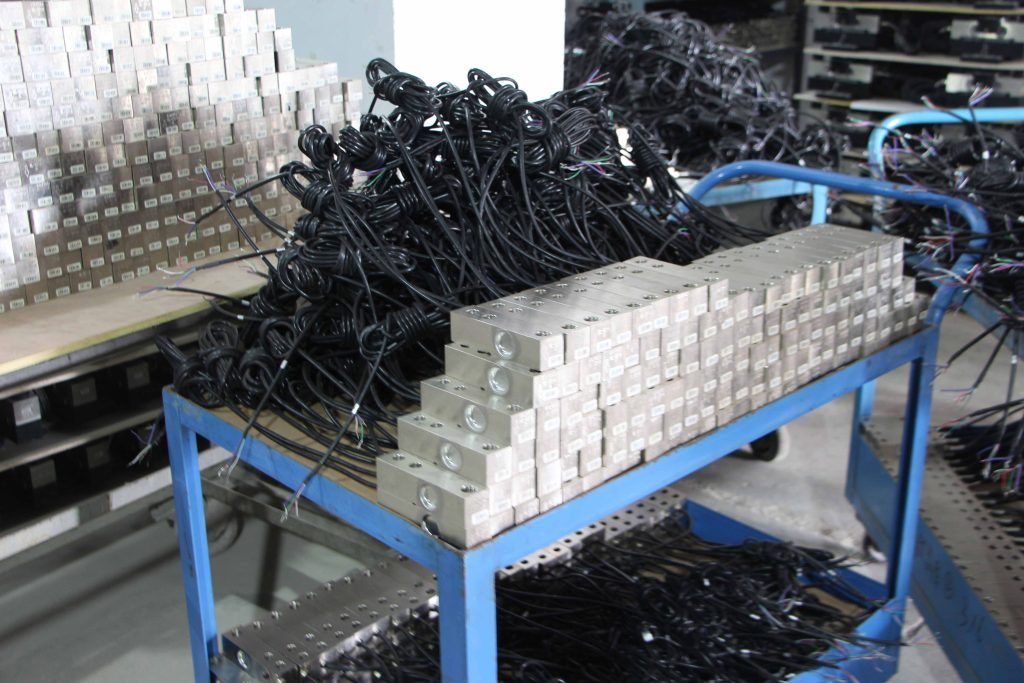
Qu'est-ce qu'un fil de détection et quelles sont ses applications?
Un fil de détection est un mince, fil isolé comportant un ou plusieurs capteurs à une extrémité et un contrôleur ou un système d'acquisition de données à l'autre. Les fils de détection sont utilisés dans une variété d'applications, tels que l'automatisation industrielle et le contrôle des processus, diagnostic et surveillance médicale, contrôle de la circulation, et la sécurité de la maison.
Un fil de détection est un câble constitué d'un seul conducteur de haute conductivité électrique et thermique., généralement en cuivre. Il est utilisé pour transférer des informations entre capteurs et actionneurs dans des applications telles que la fabrication automatisée., robotique, et systèmes de contrôle. Les fils de détection sont souvent intégrés dans un câble de capteur pour une meilleure transmission du signal.
Types de fils de détection: Mécanique, thermique, chimique, optique
Les différents types de fils de détection peuvent être classés en fonction de leur mécanisme physique de détection.: mécanique, thermique, chimique, et optique.
Les fils de détection mécaniques sont basés sur le principe de détection de déplacement ou de mouvement. Dans ce type de fil, un changement dans la quantité de contrainte ou de mouvement détecté provoque un changement dans la tension ou le flux de courant. Les fils de détection mécanique sont souvent utilisés pour des applications industrielles telles que la surveillance de la vitesse et de la position des pièces mobiles ou pour détecter les changements de température..
Les fils de détection thermique utilisent le principe de détection de chaleur. Dans ce type de fil, un changement de température provoque un changement de tension ou de flux de courant. Les fils de détection thermique sont utilisés pour surveiller les objets chauds tels que les moteurs ou les contrôleurs et détecter les changements de température ambiante..
Les fils de détection chimique utilisent le principe de détection de réaction chimique.
Applications potentielles des fils de détection: Robotique, médical, sécurité
Les fils de détection ont le potentiel d'être utilisés dans une variété d'applications, y compris la robotique, médical, et la sécurité. La robotique peut être utilisée pour créer des machines plus adroites en leur permettant de détecter leur environnement. Par exemple, un fil de détection pourrait être utilisé dans un bras robotique pour l'aider à contourner un obstacle. Les applications médicales incluent l'utilisation de fils de détection pour surveiller la fréquence cardiaque ou la tension artérielle.. Les applications de sécurité incluent l'utilisation de fils de détection pour détecter la présence d'explosifs ou d'intrus.
Limites actuelles des fils de détection: Taille, bande passante, pouvoir
La détection sans fil a été largement utilisée dans de nombreux domaines tels que la maison intelligente, automatisation industrielle, et suivi médical. Cependant, il existe certaines limites des capteurs filaires qui doivent être résolues avant de pouvoir être largement adoptées. Par exemple, les capteurs filaires ont une bande passante et une puissance limitées. Cela limite la portée à laquelle ils peuvent détecter les signaux et la quantité de données qu'ils peuvent collecter.. En plus, les capteurs filaires sont souvent trop grands et trop lourds pour être utilisés dans des appareils mobiles ou d'autres applications portables. Ces limitations devront être résolues si la détection sans fil doit devenir une technologie courante..
En conclusion,un fil de détection est un fil fin placé à l’intérieur d’un dispositif médical afin de détecter les changements de pression, température, ou d'autres propriétés physiques. Ce fil peut ensuite être utilisé pour contrôler le fonctionnement de l'appareil, ou pour surveiller sa santé.
fil extensible qui peut être utilisé pour détecter le mouvement et la pression. Cette technologie innovante pourrait être utilisée dans diverses applications, des systèmes de sécurité aux dispositifs médicaux. Alors n'attendez pas : commencez à créer des fils de détection dès aujourd'hui!